
In the operation of small and medium businesses (SMBs), particularly in the hospitality and service industries, effective tax planning plays a critical role in maintaining profitability. One area that requires careful attention is the treatment of tip income and how it is reported for tax purposes.
Understanding how tip-related earnings interact with payroll systems and tax reporting requirements can help businesses remain compliant while optimizing financial outcomes.
Understanding Tip Income and Tax Treatment
Tip income refers to voluntary payments received by employees from customers in addition to standard wages. In industries such as restaurants, bars, salons, and hospitality services, tip income often forms a significant portion of total employee earnings.
From a tax perspective, businesses are required to properly track, report, and process all tip income through payroll systems. This ensures accurate income reporting and compliance with IRS requirements.
Rather than being treated as separate revenue, tip income is generally integrated into payroll reporting and employee wage documentation.
Financial Impact on SMBs
Proper management of tip income can have a meaningful impact on business financial health. When payroll systems accurately capture tip-related earnings, businesses benefit from:
- More accurate financial reporting
- Improved payroll compliance
- Better cash flow tracking
- Reduced risk of reporting errors or penalties
For SMBs, especially those in service industries, maintaining accurate records ensures smoother operations and stronger financial visibility.
Payroll Compliance and Reporting Requirements
Businesses must ensure that all tipped employees accurately report their earnings and that these amounts are reflected in payroll systems. This includes:
- Maintaining detailed employee records
- Tracking declared tips consistently
- Ensuring payroll systems are properly configured
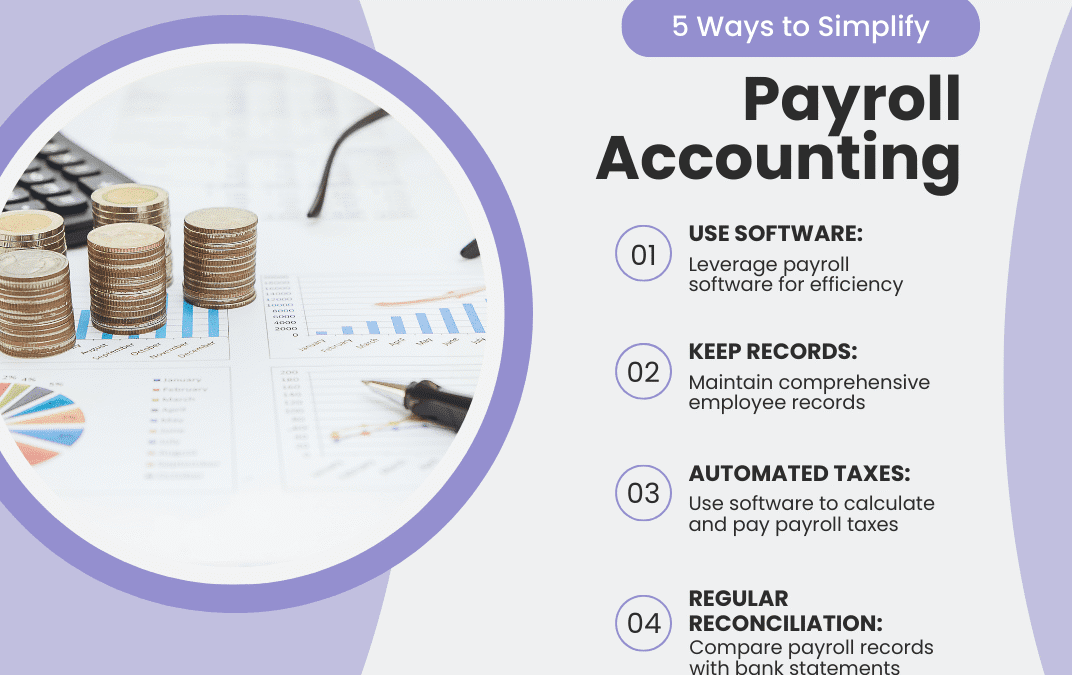
- Reconciling payroll records with bank statements
Failure to properly manage tip reporting can lead to compliance issues and financial penalties.
Strategic Payroll Management
Integrating tip income into a structured payroll system allows businesses to strengthen overall financial management. This includes:
- Using payroll software to reduce manual errors
- Regularly reconciling payroll and bank records
- Staying updated with tax and labor regulations
- Ensuring consistent reporting practices across all employees
These practices support both compliance and operational efficiency.
Conclusion
The proper handling of tip income is an essential part of payroll and financial management for SMBs in service-based industries. While often overlooked, accurate tracking and reporting of tip-related earnings ensures compliance, improves financial clarity, and supports better business decision-making.
Businesses that implement strong payroll systems and maintain accurate records are better positioned to operate efficiently and sustainably.
Call To Action
Need help improving your payroll systems and ensuring accurate tip income reporting?
Contact JoQuin Associates today to schedule a consultation and ensure your payroll processes are accurate, compliant, and efficient.